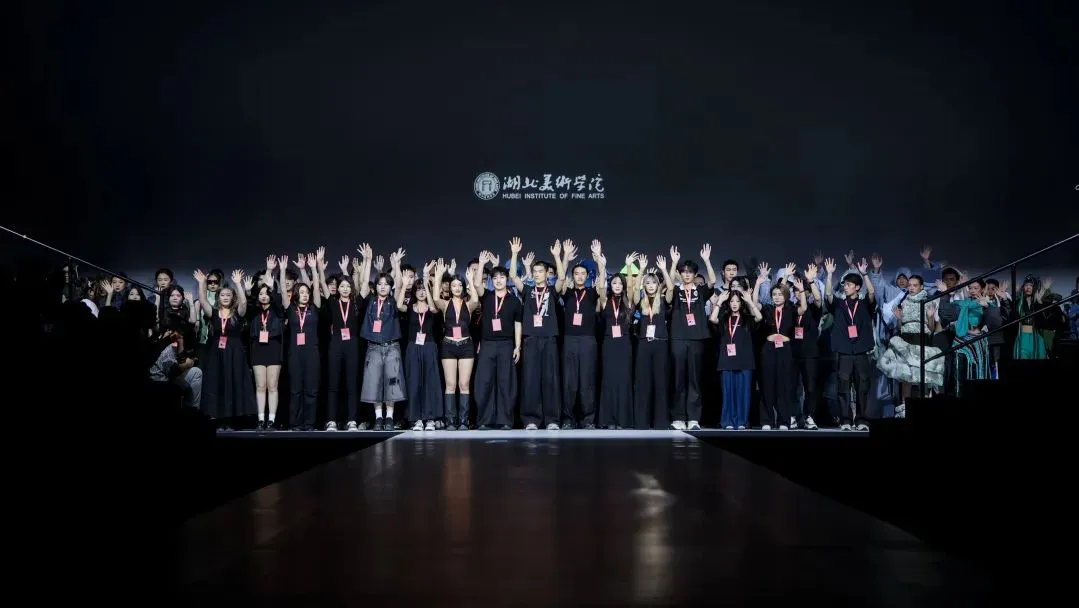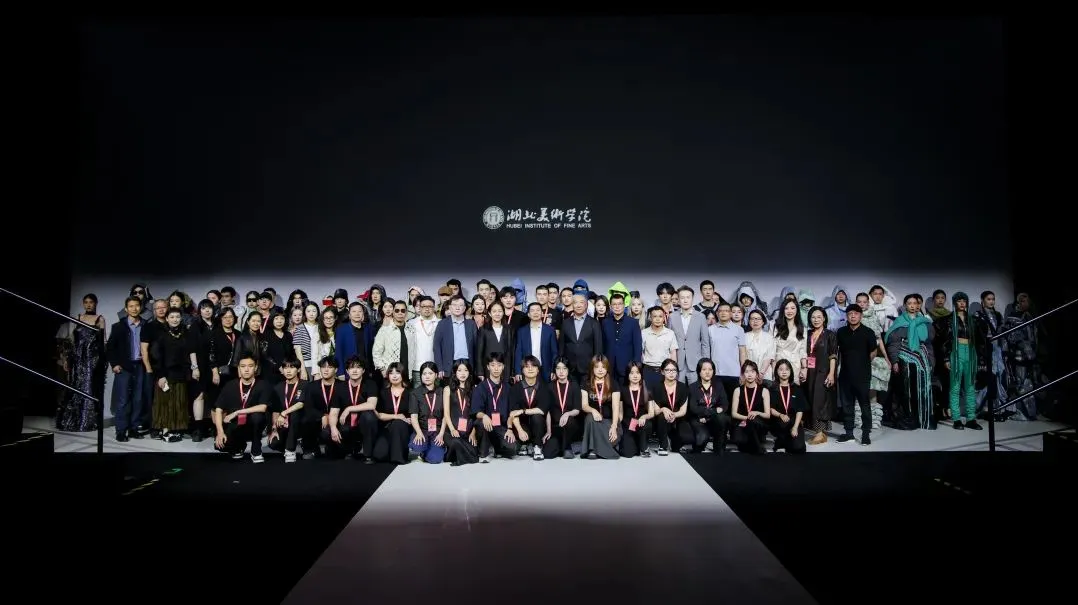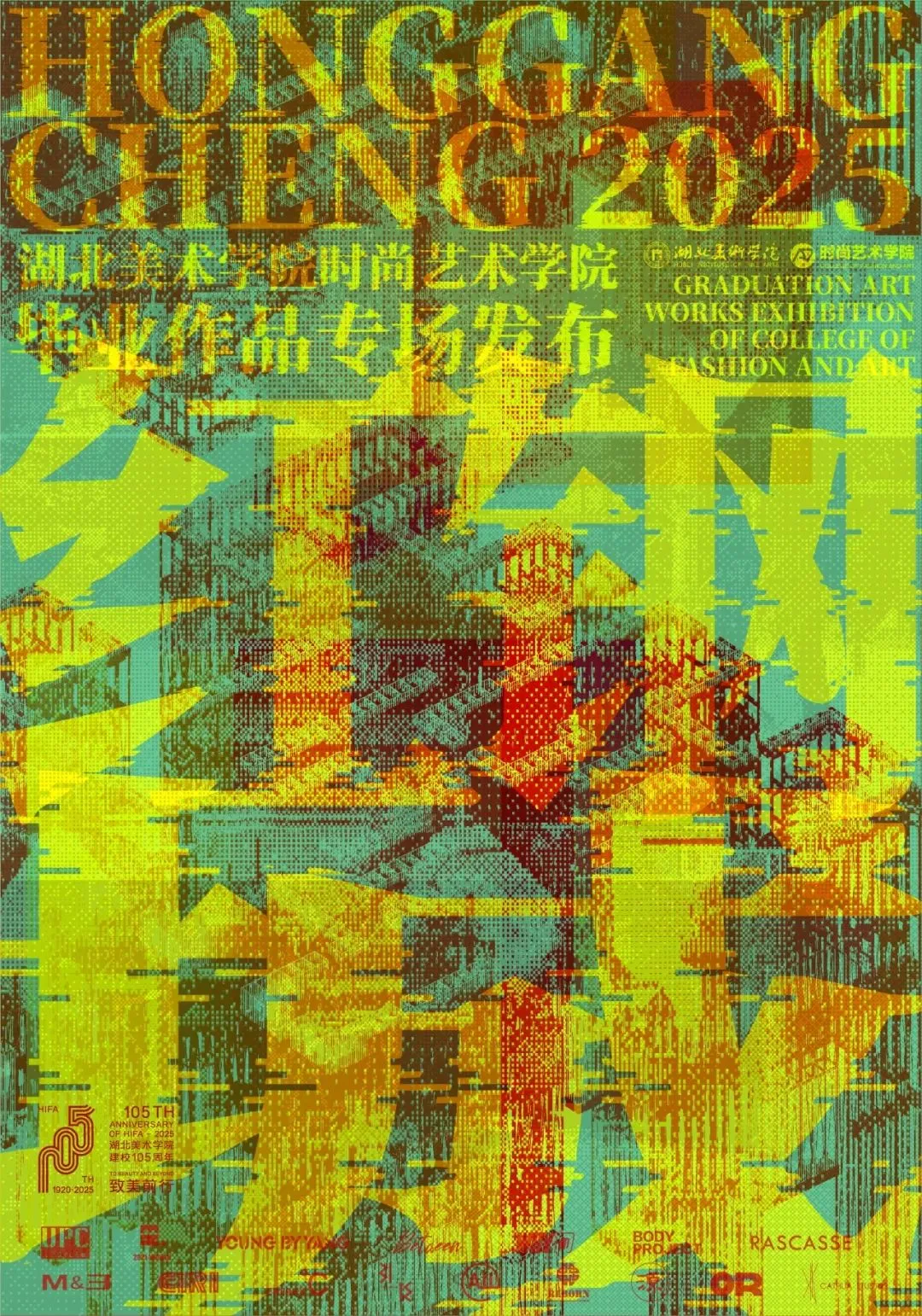
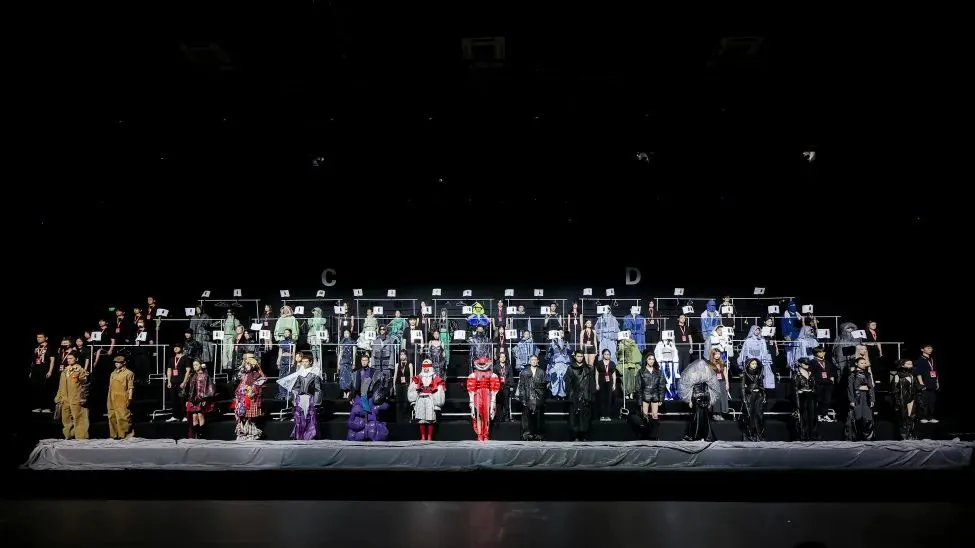
On May 17th, the exhibition hall of the first workshop in Beijing’s 798 · 751 industrial park was filled with vivid memories of industrial civilization. The School of Fashion and Art at Hubei University of Fine Arts has been showcased at the “China International College Student Fashion Week” for 12 consecutive years. In the 2025 Excellent Graduation Design Work Release Conference “Red Steel City”, 33 emerging designers presented 60 sets of creative works, and together with 15 students majoring in Performance and Communication, they performed a spatiotemporal dialogue between industrial civilization and fashion aesthetics. The release of outstanding graduation design works from the School of Fashion and Art will become a bridge in the 105th anniversary celebration of Hubei Institute of Fine Arts, connecting memory and the future, witnessing the breakthrough and growth of fashion art in the era.
Ten mile steel city, winding green mountains. Since the fall of Wugang in Qingshan, Honggang City has emerged. ‘Red’ not only refers to the exterior style of Soviet style architecture, but also represents the fiery will to refine into steel. As a living industrial cultural heritage, Honggang City carries the “steel dream” of New China, writes the glorious history of Wuhan’s industry, and becomes a symbol of the city that carries collective memory. Nowadays, the Red Steel City has transformed from “red” to “green”, showcasing the beauty of ecology and the interplay of industrial fashion, becoming an experimental field for the continuous interweaving of culture and design in the process of Wuhan’s “old city revitalization”.
As the birthplace of fashion art and design education in central China, the School of Fashion Art at Hubei Institute of Fine Arts has always been at the forefront of innovative development. The college currently has three major departments, namely Fashion Design, Fiber Art, Performance and Communication, and five teaching and research rooms. In 2019, the major of Fashion and Apparel Design was approved as one of the first national first-class undergraduate major construction sites. While maintaining traditional art education, the College of Fashion Arts promotes the teaching philosophy of “big art, super fashion”, taking a life perspective and using the language of art to dialogue with the current clothing market, building an “ecological fashion education environment” in China.
The college focuses on three major research directions: Jingchu textile culture, industrial urban fashion, and traditional opera culture. With innovative inheritance and creative transformation as the core, it continues to deeply cultivate regional culture in its graduation project. Starting from the theme of “Tanhualin” as the graduation project of Jingchu Culture in 2020, continuous exploration has been initiated. In 2021, “Chu CHU Dao Lai” delved deeply into the cultural heritage of Jingchu. In 2022, “Luli” deconstructed artistic expression from a colorful perspective. In 2023, “Surge” interpreted dynamic design tension. In 2024, “Hankou” focused on urban fireworks and historical texture, until 2025, “Red Steel City” opened a new creative journey with industrial memory as the anchor point. The change of the six-year theme is not only a transformation of design thinking, but also a vivid footnote to the continuous cultivation and innovative exploration of regional culture.
The college takes “wearable art” as its disciplinary development feature, emphasizing the “forward-looking, integrated, and realistic” teaching characteristics of the Fashion Art College, encouraging the integration of academia and practice, advocating the use of clothing art language to enhance consumers’ aesthetic literacy, creating a multidisciplinary and cross-border ecological environment, encouraging students to create their own brands, and forming the A7 brand matrix. This graduation project uses the creative techniques of deconstruction and reconstruction to transform the steel structure of Red Steel City into a flowing fashion language. Designers extract silhouette inspiration from the metal texture of blast furnaces, capture cutting codes in the geometric structure of cooling towers, and weave the winding trajectory of transportation pipelines into clothing textures. Through various forms such as wearable art installations and dynamic light and shadow interactions, the solidified industrial relics are revitalized with contemporary vitality. In this fashion dialogue that transcends time and space, young designers use avant-garde techniques to reconstruct the aesthetic dimension of industrial heritage: metal rivets become a flowing decorative language, safety warning colors are sublimated into high definition colors, and tool shapes are transformed into futuristic accessories. Every design detail becomes the key to decoding the memory of the city, allowing the hard core genes of industrial civilization to be translated poetically in the context of fashion.
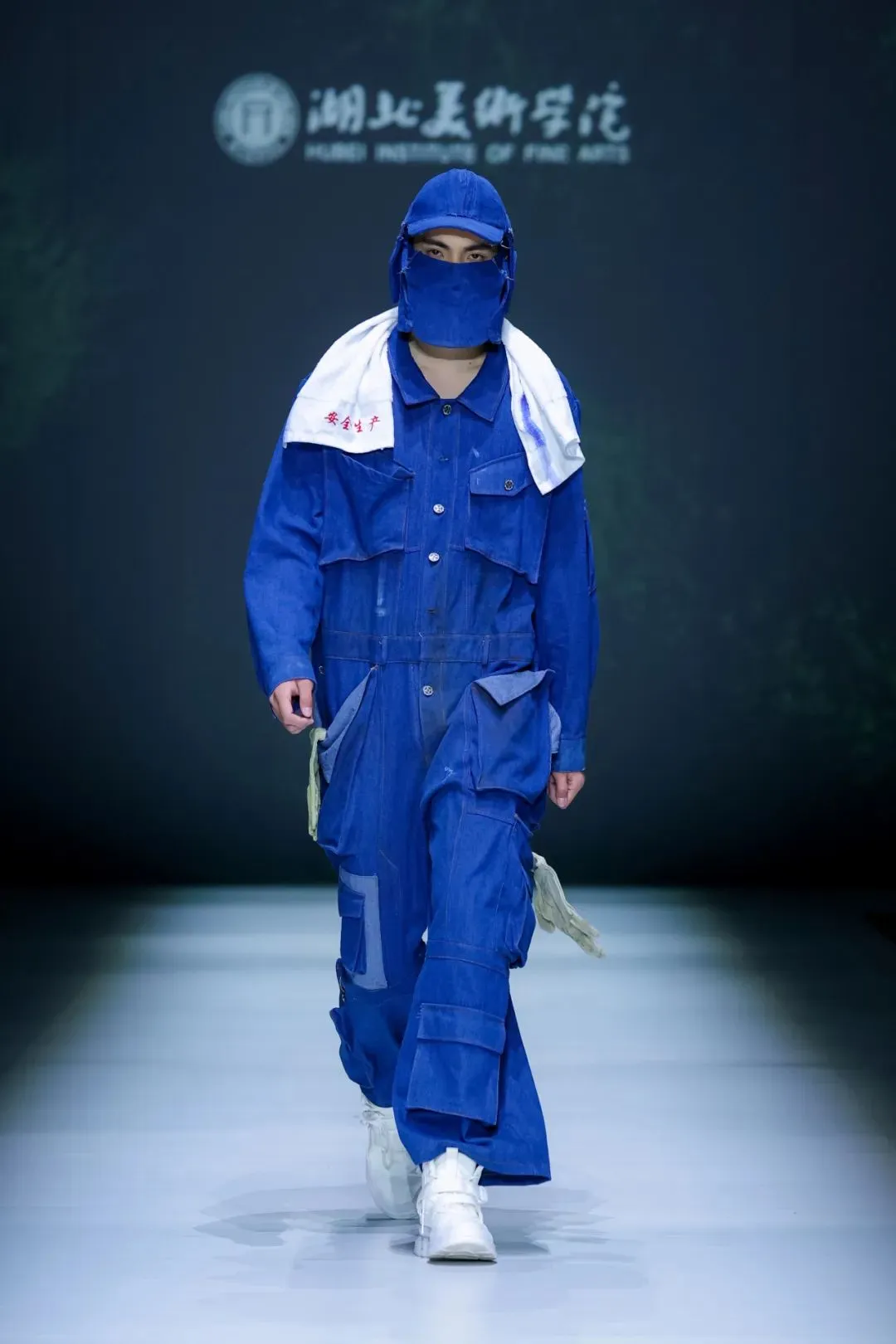
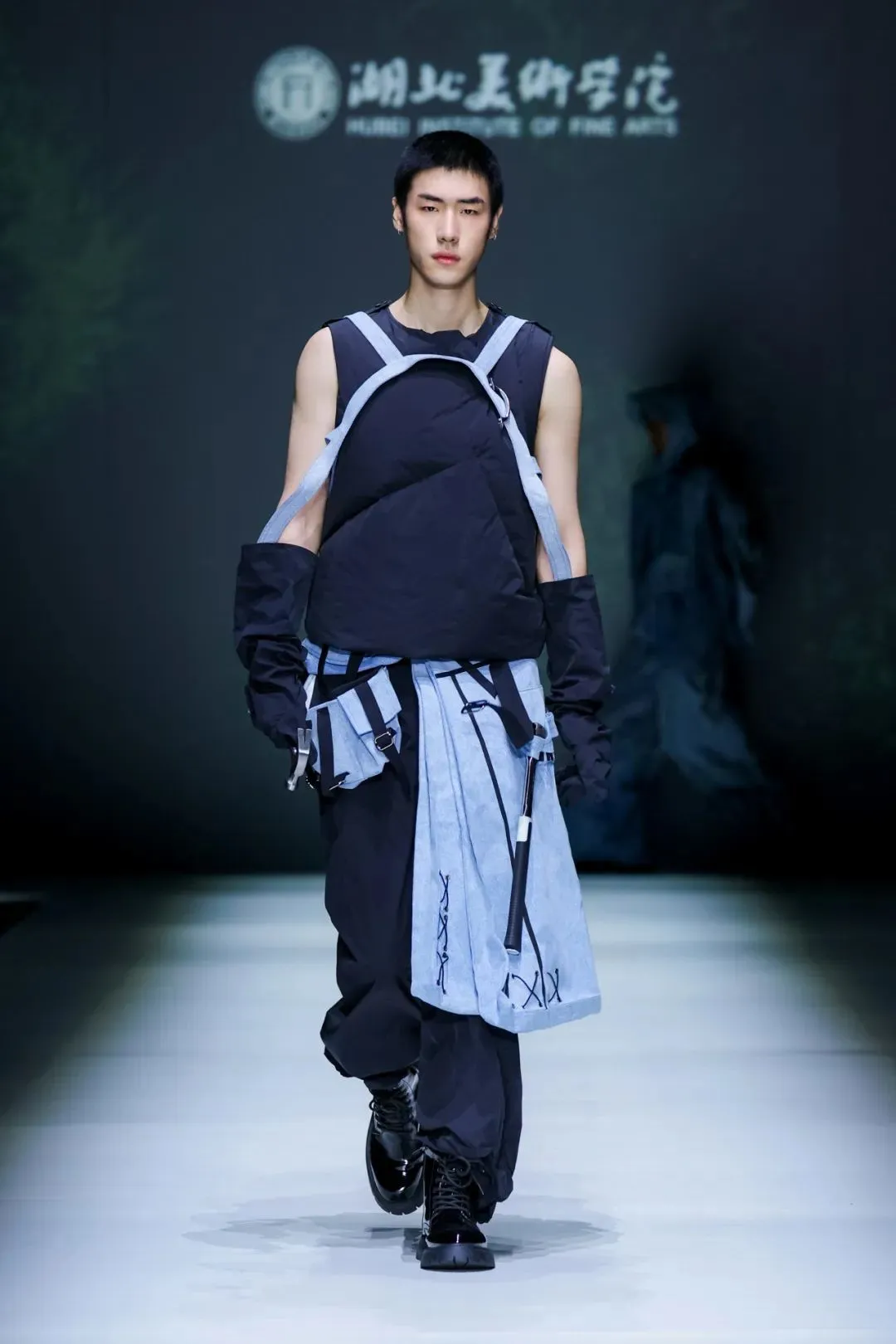
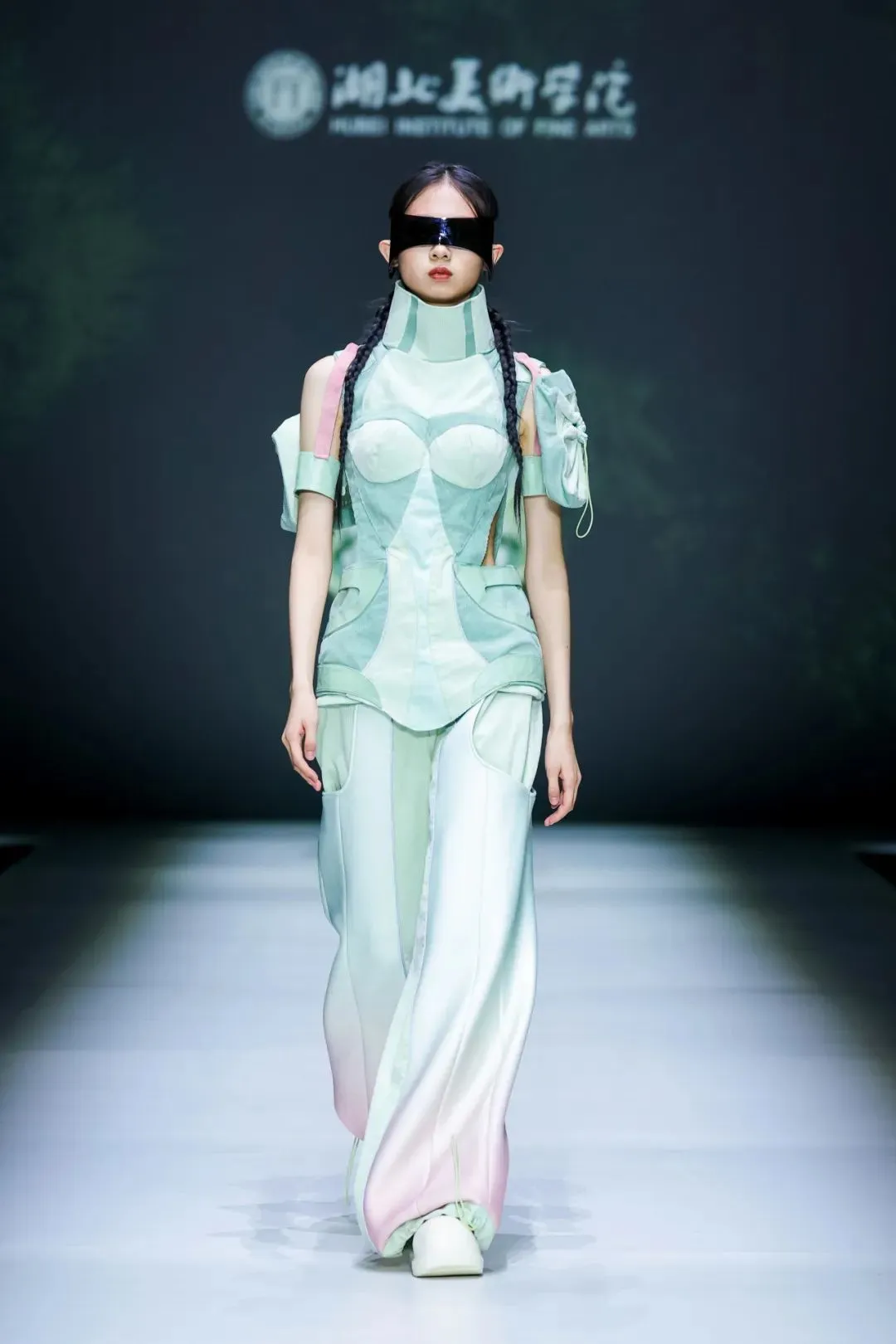
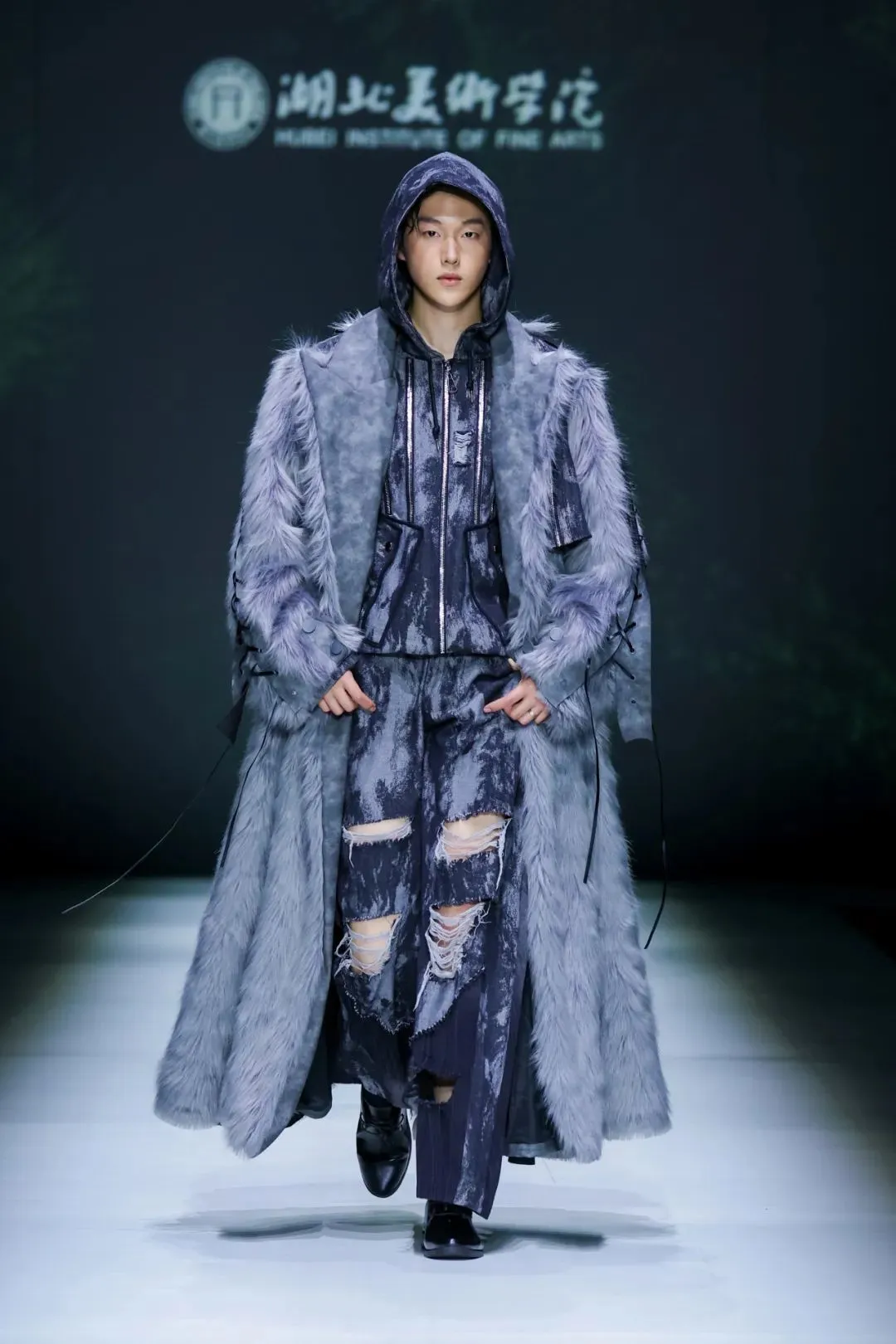
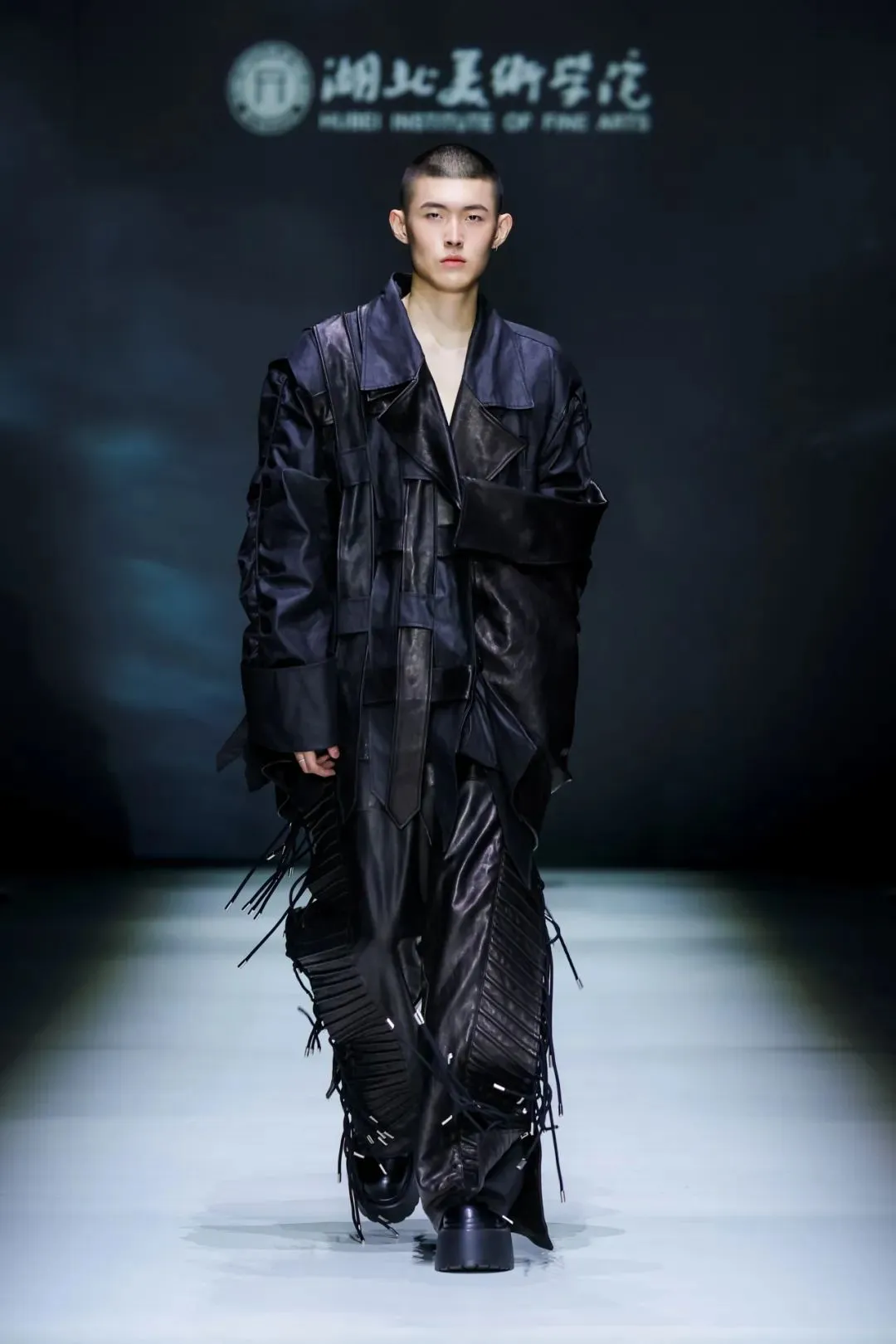
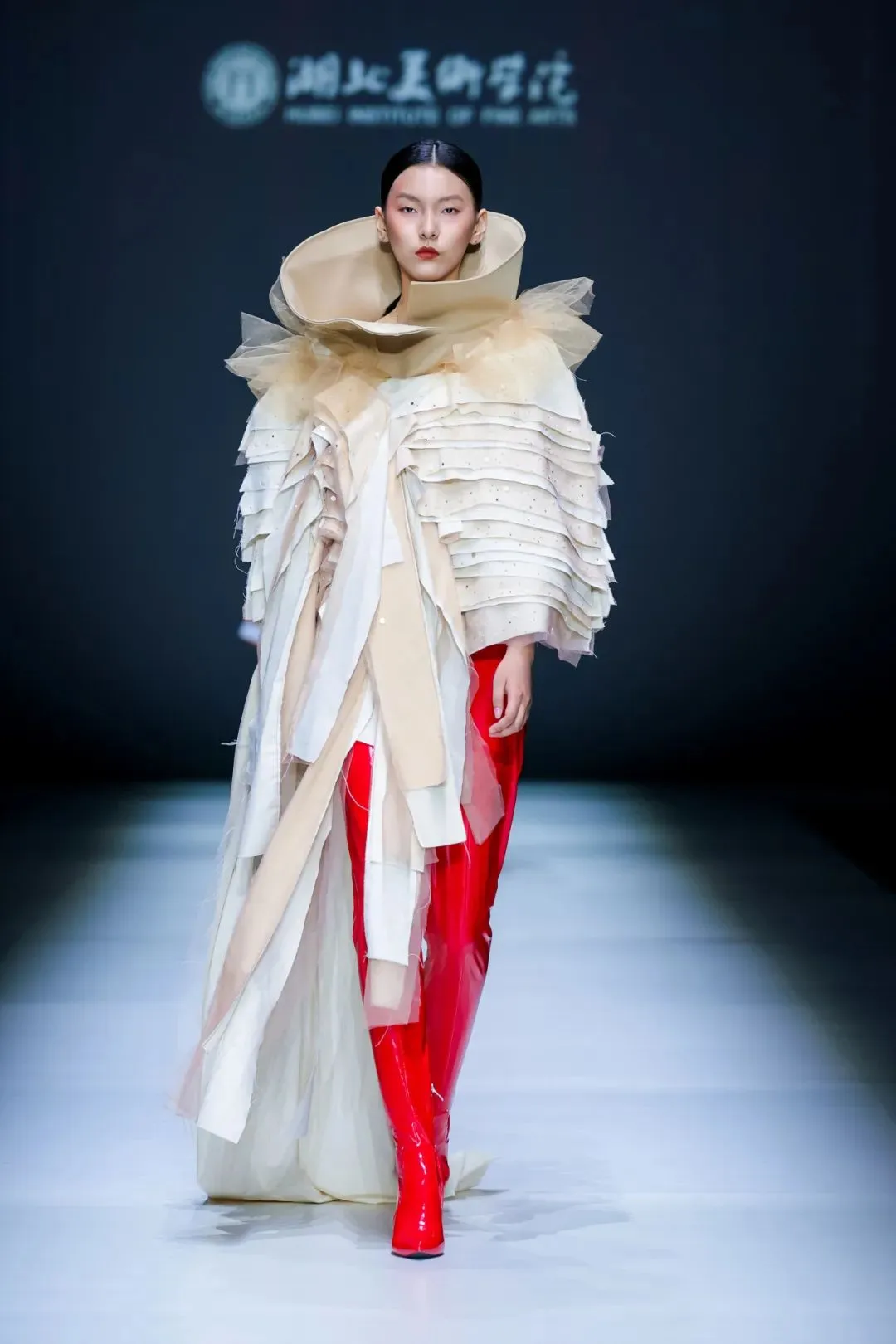
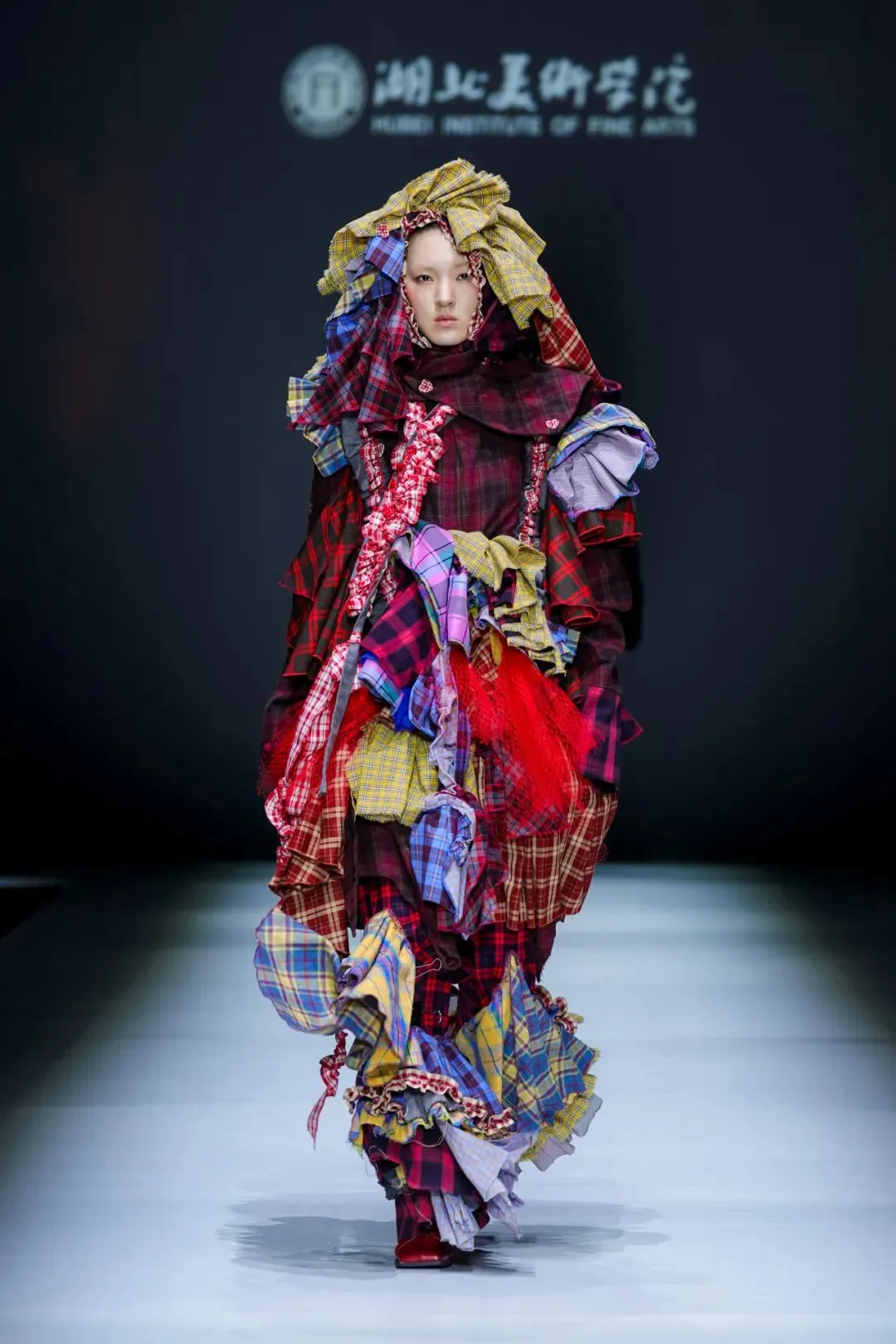
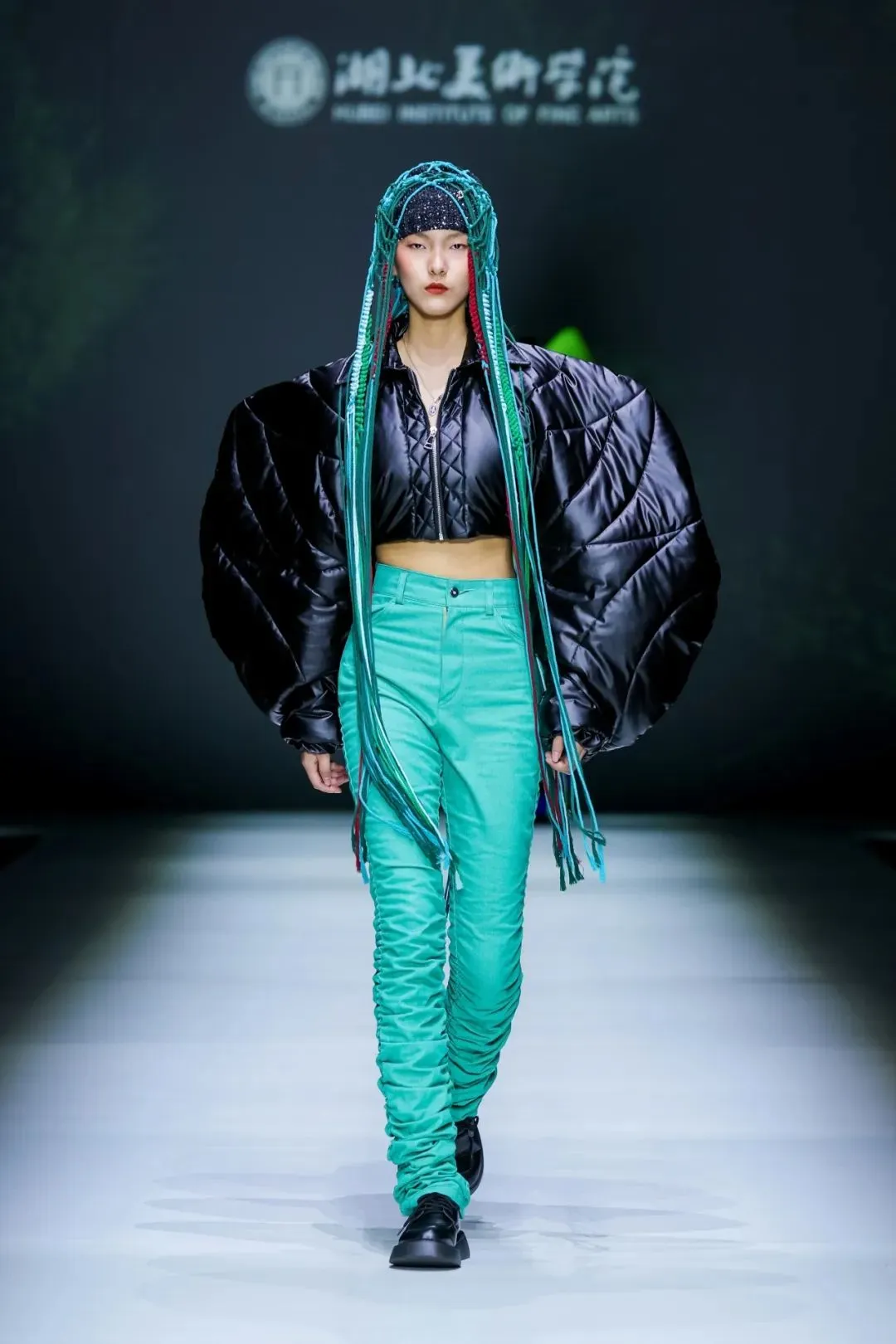
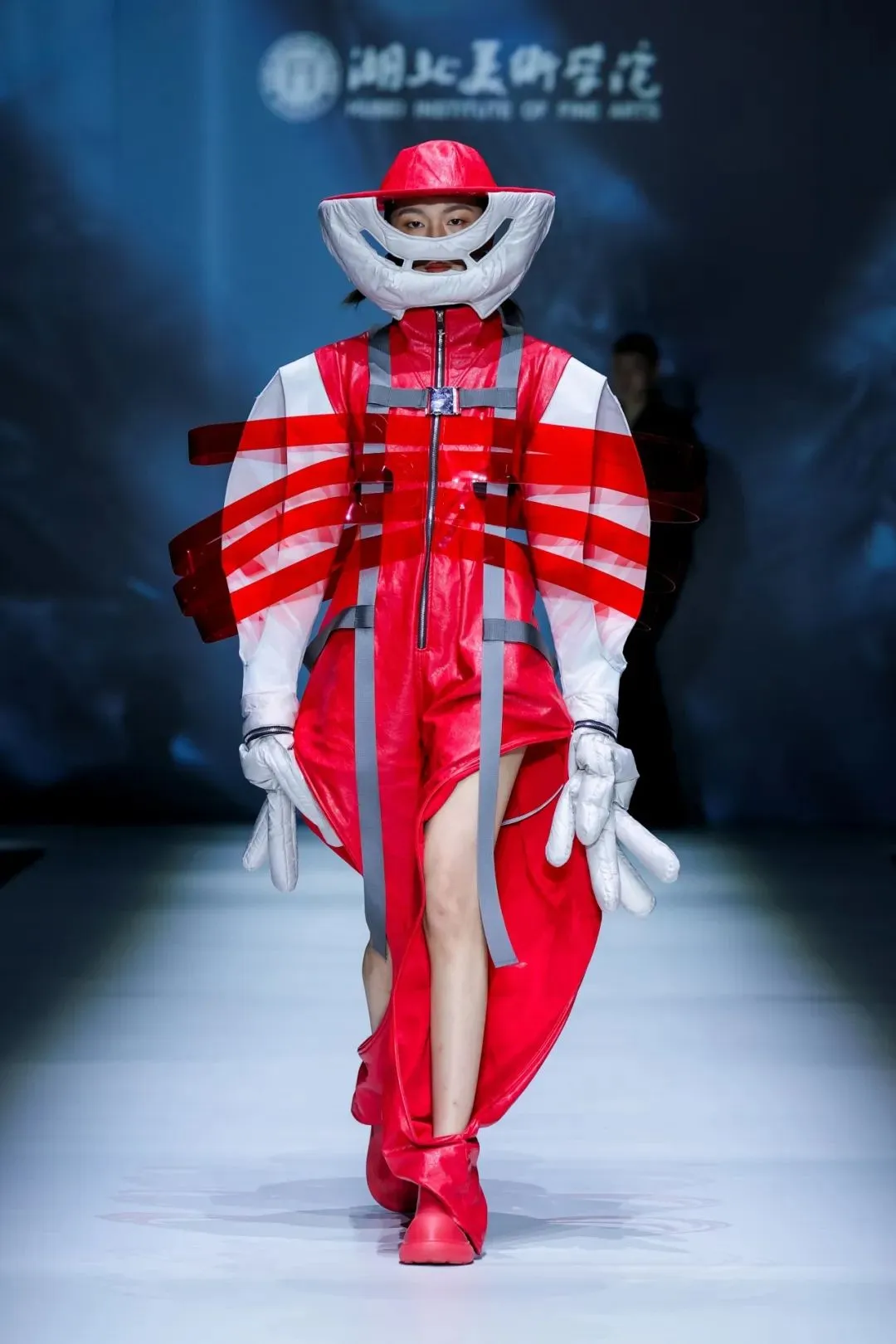
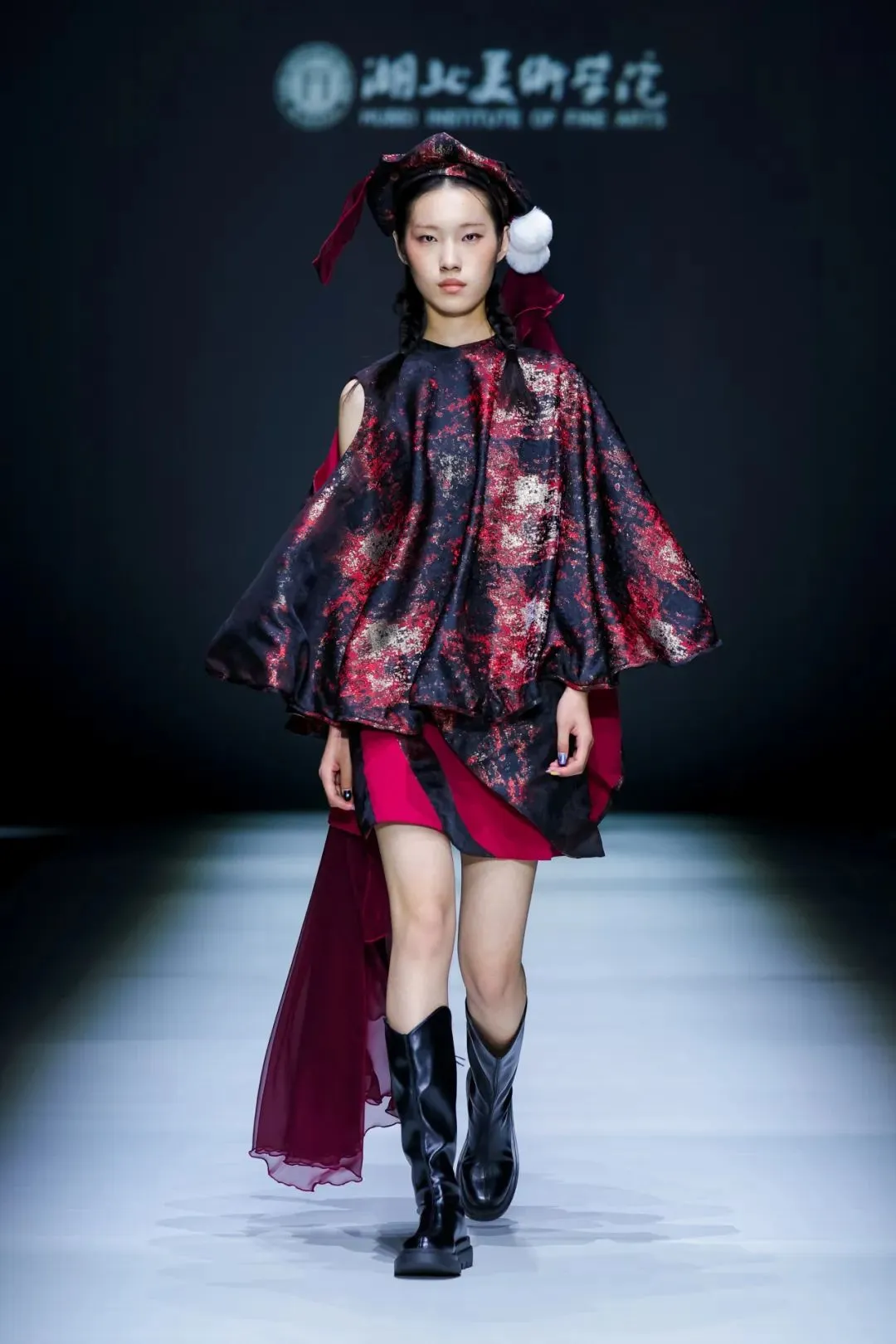
Red Steel City, this living monument of the new China’s steel industry, carries the passion and glory of the builders of WISCO. The iconic Su style architectural complex is not only a reflection of the aesthetic of the times, but also engraved with the indomitable spirit code. In the current era of green transformation in the steel industry, the college uses design as a bridge to integrate Jingchu textile culture, industrial city fashion, and traditional opera culture into one, creating a wearable “Red Steel City” that breaks through the inherent form of historical culture and showcases the infinite possibilities of the integration of industrial culture and fashion art with vivid artistic images, paying high respect to that passionate era.